New, Never Installed may support a restoration, new aircraft build, engine installation, maintenance project, spare inventory requirement, or replacement-propeller search.
Whether buyers search for a Sensenich Propeller P/N 74DM6-0-60, Sensenich 74DM6 Propeller, or 74DM6-0-60 Aircraft Propeller, complete identification should guide the purchase.
The Sensenich Fixed-Pitch Propeller, Sensenich Aluminum Propeller, Fixed-Pitch Aluminum Propeller, and Aluminum Aircraft Propeller keywords describe important design and material characteristics.
A Lycoming O-320 Propeller may only be appropriate for selected engine and airframe combinations, even when the basic engine family appears compatible.
A Replacement Aircraft Propeller must match the approved aircraft, engine, hub, bolt pattern, spinner, diameter, pitch, and operating limitations.
Identifying the Sensenich Propeller Correctly
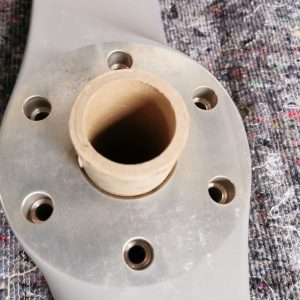
The seller should provide clear photographs of the data plate, hub, blade faces, blade backs, leading edges, trailing edges, tips, mounting holes, and identification markings.
The serial number should match all supplied invoices, manufacturer documents, inspection records, and release paperwork.
Evaluating an Unused Sensenich Propeller
Transparent history helps buyers understand the difference between unused status and current installation readiness.
Any temporary mounting or dimensional checking should be disclosed clearly.
Evaluating General Aviation Propeller Requirements
The 74DM6-0-60 should be selected using applicable technical data rather than general claims about improved climb or cruise performance.
Professional verification supports responsible use of the Sensenich Fixed-Pitch Propeller.
Benefits of Metal Propeller Blades
Even a new and never-installed propeller should be checked for handling marks, coating defects, scratches, dents, and environmental exposure.
Factory paint and protective coating should be checked for lifting, bubbling, scratches, abrasions, discoloration, and exposed metal.
74-Inch Aircraft Propeller Dimensions
The measurement should not be assumed from packaging labels or seller estimates alone.
The receiving aircraft must provide sufficient propeller clearance under applicable loading and operating conditions.
Documenting the Propeller Configuration
The seller should not guarantee specific performance based only on the pitch designation.
A blade-to-blade pitch difference can contribute to vibration, reduced efficiency, and unequal aerodynamic loading.
Lycoming O-320 Propeller Compatibility
The buyer should review current approved installation information before purchasing or mounting the propeller.
A previous aircraft application can provide useful context but does not replace current approved technical data.
Inspecting the Complete Propeller Assembly
Both blades should maintain compatible dimensions, pitch relationship, contour, weight distribution, finish, and structural condition.
A never-installed propeller may still require static balance verification after extended storage or transportation.
Hub and Mounting Configuration
Mounting holes should remain free from corrosion, damaged edges, contamination, improper machining, impact marks, and unexplained installation impressions.
Professional hardware selection protects the engine and Replacement Aircraft Propeller.
Checking a New Sensenich Propeller
The depth, location, orientation, and extent of any defect affect the appropriate inspection or corrective action.
Detailed surface review helps support the claimed new condition.
Preserving an Unused Aircraft Propeller
Discoloration, white residue, paint bubbling, coating separation, staining, or pitting should be evaluated instead of dismissed automatically as cosmetic.
Protective covers should prevent contamination and impact without encouraging condensation around the aluminum.
Certified Aircraft Propeller Status
Certified design status does not automatically establish the present serviceability, airworthiness, or installation eligibility of an individual propeller.
A certified-design propeller can still require inspection after prolonged storage, transportation, environmental exposure, or handling.
Confirming the Sensenich Serial Number
The serial number should match every manufacturer record, inspection tag, shipping document, and release certificate.
Complete history supports future maintenance, installation research, and resale.
Aircraft Propeller Condition Review
A pre-purchase review should confirm the complete model, serial number, diameter, pitch, blade count, hub configuration, mounting pattern, manufacturing information, storage history, physical condition, applicability, and documentation.
- Compare the propeller with the receiving aircraft model, serial range, Lycoming engine designation, engine flange, spinner, operating limitations, and approved installation information.
- Do not treat original packaging, clean paint, new wording, or never-installed status as proof of present serviceability.
- Report freight damage, missing documentation, identification differences, corrosion, finish defects, blade damage, or dimensional discrepancies promptly.
Protecting a New Two-Blade Propeller in Transit
Blade tips, leading edges, trailing edges, mounting surfaces, bolt holes, identification plates, and factory coatings require suitable protection.
The shipping crate should identify appropriate lifting and handling points so carriers do not use the propeller blades as handles.
Long-Term Aluminum Propeller Storage
During storage, the propeller should remain clean, dry, supported, protected from impact, and separated from corrosive chemicals or uncontrolled environmental exposure.
Organized storage supports the commercial value of the General Aviation Propeller.
Mounting the Replacement Aircraft Propeller
Professional installation protects the propeller, engine, and airframe.
Disciplined installation supports dependable Two-Blade Aircraft Propeller operation.
After installation, technicians should verify security, propeller clearance, blade tracking, spinner alignment, hardware condition, and surrounding aircraft components before starting the engine.
Preventive Blade and Hub Inspection
Routine maintenance should include inspection of blade faces, backs, leading edges, trailing edges, tips, hub, mounting hardware, spinner components, blade tracking, finish, and signs of corrosion or movement.
Pilots and operators should report new vibration, visible blade damage, unusual noise, or performance changes promptly.
Buying P/N 74DM6-0-60
Propellers with clear photographs, complete records, transparent storage history, and verified condition are easier for professional buyers to evaluate.
The lowest advertised price may click here not represent the lowest installed cost when hardware, records, or compatibility information are incomplete.
Selecting a General Aviation Replacement Propeller
For a properly approved aircraft-and-engine combination, the propeller can support a professional installation project when inspected and mounted by qualified personnel.
Careful technical and commercial review can reduce compatibility problems, missing-hardware expenses, storage-related concerns, installation delays, inspection costs, and documentation issues.
Whether buyers need a Sensenich Fixed-Pitch Propeller, Sensenich Aluminum Propeller, Fixed-Pitch Aluminum Propeller, or Aluminum Aircraft Propeller, current condition and dimensional conformity should be verified.
With transparent records, protected shipping, correct aircraft-and-engine fitment, careful mounting, and appropriate inspection, the Sensenich propeller can support a professional aviation project.